
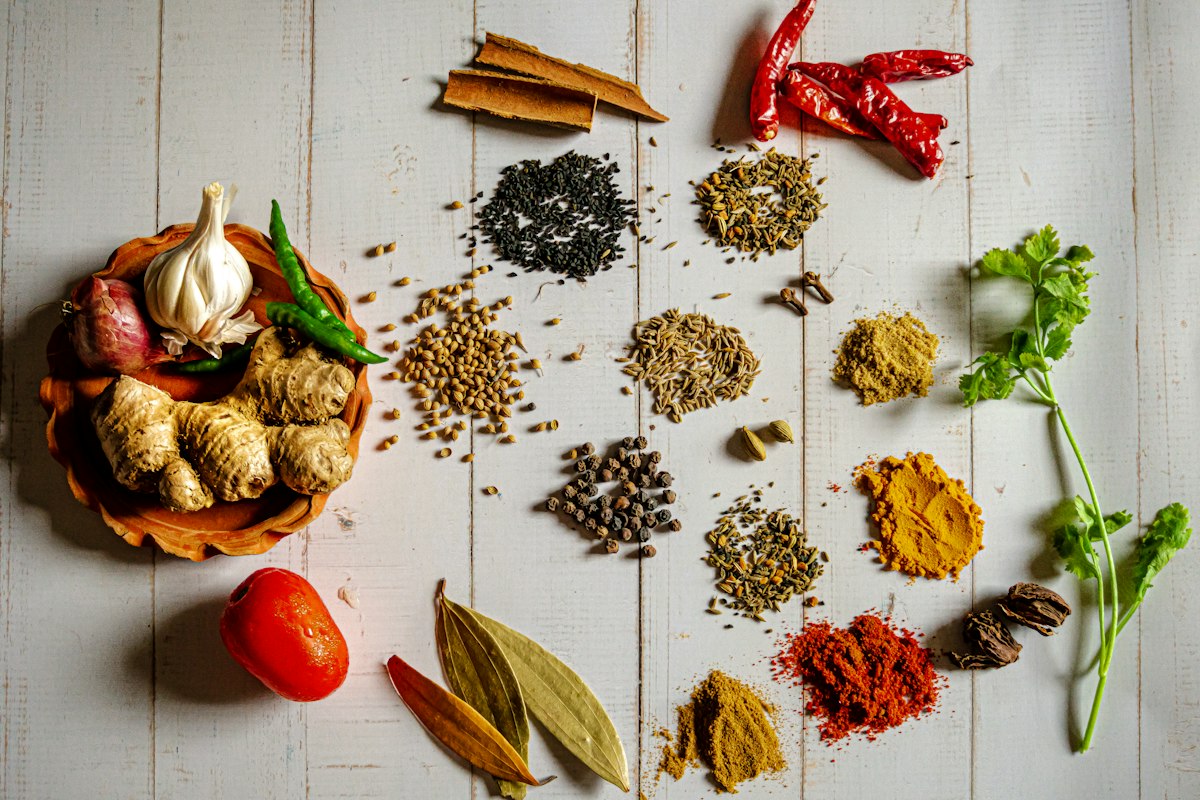
Global buyers of Indian agro commodities are navigating a familiar tension: strong demand for spices and oilseeds, tighter residue expectations in premium markets, and weather-driven swings in crop availability. Here are the themes we see shaping 2026 procurement conversations.
1. Residue compliance is a buying criterion, not a footnote
European and Middle East buyers increasingly ask for residue plans at RFQ stage. Exporters who can document testing protocols win more repeat business — even when spot prices are slightly higher.
2. Sesame and chilli remain volume leaders — with grade bifurcation
Food-grade and crushing-grade sessions are diverging more clearly. Buyers who specify end-use upfront get better matching and fewer quality disputes.
3. Private-label packing continues to grow
Distributors want destination-ready packs with multilingual labels. Exporters with flexible packing lines and artwork control have an edge over bulk-only traders.
4. Forward planning beats spot panic
Procurement teams that lock quarterly volumes after monsoon clarity reduce the risk of chasing scarce lots at peak freight rates. Trial containers in Q1–Q2 still make sense for new supplier relationships.
What this means for your RFQ
- State destination residue limits and preferred labs
- Clarify packing format and label language early
- Ask for indicative sailing windows, not just unit price